01 / Blind spot

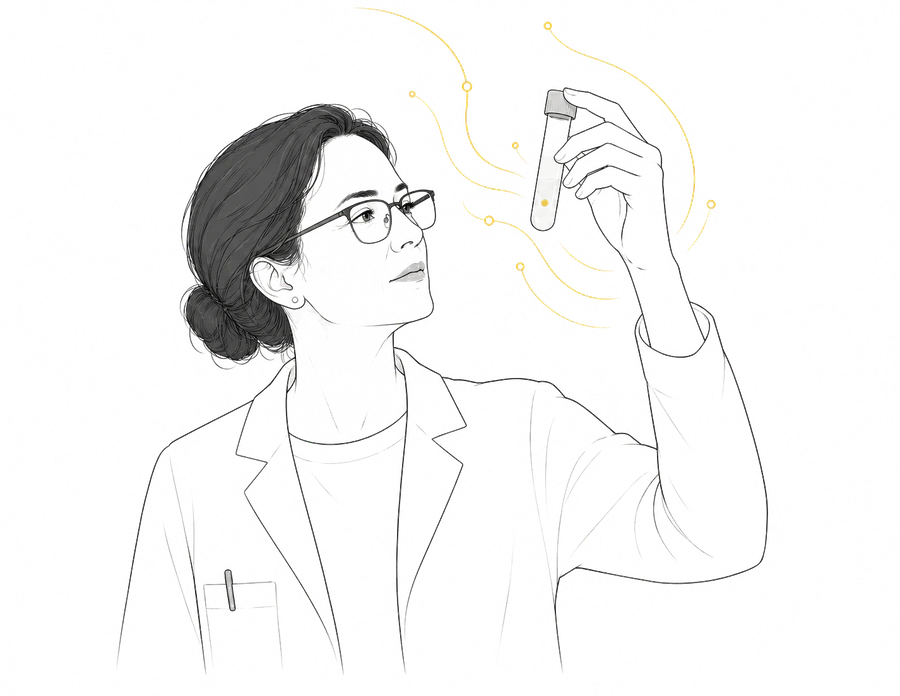
Health research still has a hormonal blind spot

Puberty, menstrual cycles, pregnancy, and menopause — many of the most profound changes across the life course are hormonal transitions. Yet health research has often treated hormonal change as a complication rather than as a central part of health.

Because hormonal change was often assumed to make research more complex or less predictable, it was frequently controlled away, ignored, or excluded from study designs. This left clinical and preclinical research with a lasting sex bias — including male-dominant samples and hormone-independent models. In preclinical neuroscience, the imbalance was substantial: for every female-only study, there were once 5.5 male-only studies.

The consequences still shape healthcare today...

02 / Mental healthcare

Healthcare inherits the blind spot

The consequences are increasingly recognized in cardiovascular medicine, pain care, and drug safety. But they are just as visible in mental healthcare.

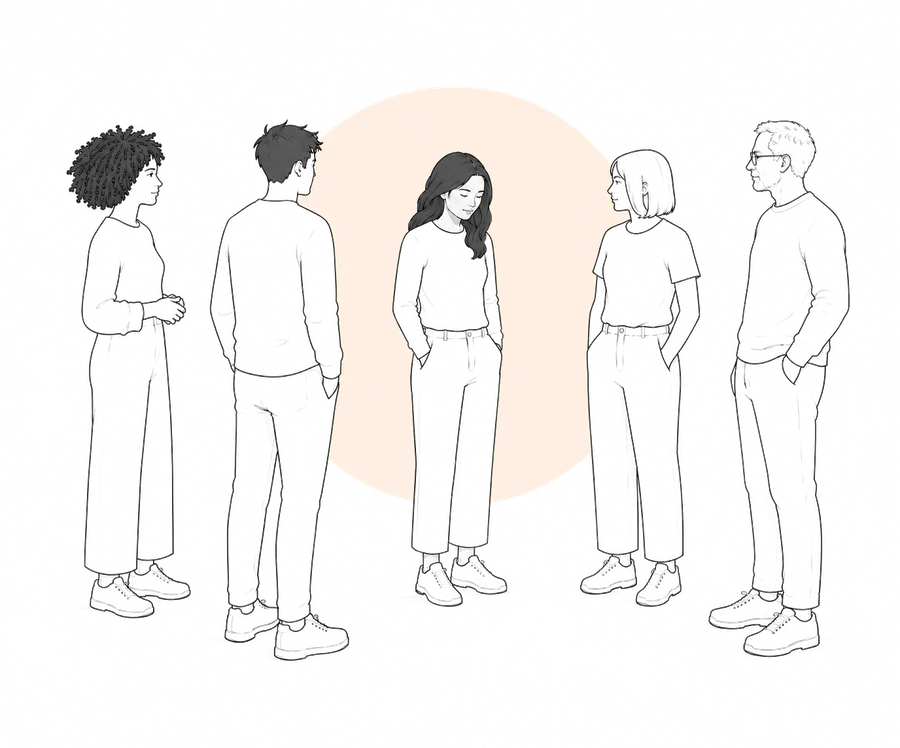
Hormone-insensitive models can obscure significant changes across the female life course: PMDD is often minimized, and perimenopause-related vulnerability to depression remains insufficiently integrated into care. Male-dominant models create another blind spot: autism and ADHD in girls and women are too often recognized late or misread as anxiety or depression, and even psychotropic medication can affect women differently.

When research overlooks sex and hormones, mental healthcare inherits the blind spot.

03 / Time

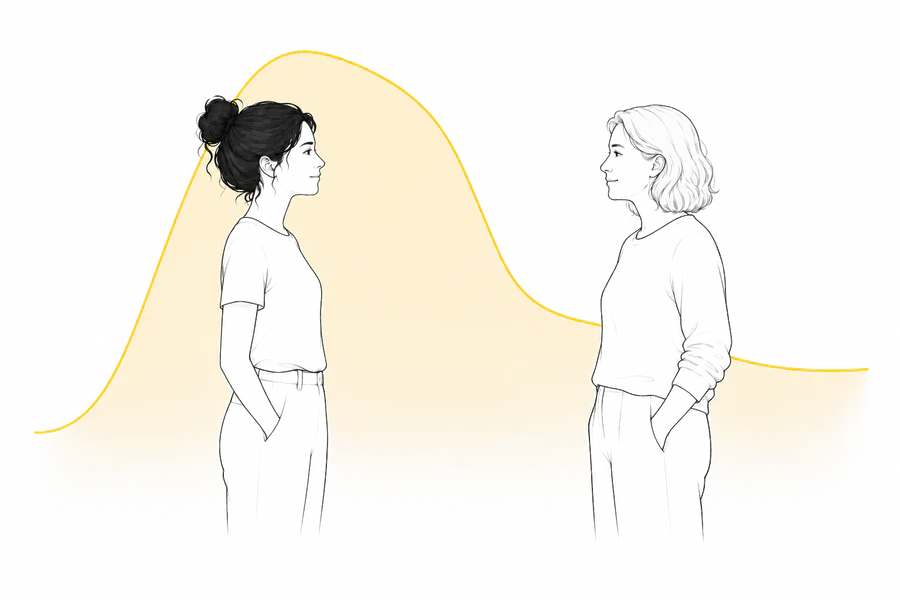
Hormonal health is more than a snapshot

A symptom that appears during menopause may not only be about menopause. It may relate to puberty timing, menstrual history, pregnancy, contraceptive use, stress exposure, sleep, medication, mental-health history, and social context.

To understand hormonal health, we need longitudinal models that connect brain, cognition, mental health, biological change, and lived experience across time.

But conventional funding structures often favor short-term projects, established categories, and clearly separated disciplines. To fit those structures, researchers often have to narrow complex questions into smaller, safer pieces — even though integrative models could take us much further.

This is why many important questions remain fragmented, underfunded, or invisible.

04 / HII

From unanswered questions to hormonal intelligence

HII exists to ask the questions that too often remain unanswered.

We turn overlooked issues into research, and research into knowledge for education, prevention, public dialogue, and better care.

We bring together scientific expertise and the courage to pursue questions that are still too early, too integrative, or too often overlooked by conventional funding structures.

Your support helps create the space where unanswered questions can become research, knowledge, and change.

01 04